
The Importance of Cultural Preservation
Updated: Oct 3, 2025
Our heritage is a living story, woven through generations by the hands and hearts of those who came before us. It is in the songs we sing, the stories we tell, the ceremonies we honor, and the land we cherish. Safeguarding cultural traditions is not just about preserving the past; it is about nurturing the roots that allow us to grow strong and thrive in the present and future. Together, we hold the responsibility to protect these traditions, ensuring they remain vibrant and meaningful for those who follow.
The Role of Safeguarding Cultural Traditions in Our Communities
When we speak of safeguarding cultural traditions, we are embracing the practices, languages, arts, and values that define who we are. These traditions are the foundation of our identity and the glue that binds our communities. They teach us resilience, respect, and the importance of living in harmony with the world around us.
For example, the annual ceremonies that mark the changing seasons are more than rituals; they are a way to connect with the land and honor the spirits that guide us. Passing down these ceremonies to our youth helps them understand their place in the world and the responsibilities they carry.
Safeguarding these traditions also means protecting our languages. Each word and phrase carries wisdom and history that cannot be fully translated. When we teach our children to speak our native tongues, we give them a key to unlock the stories and teachings of our ancestors.

Which is an Example of Cultural Preservation?
Cultural preservation takes many forms, and it is often found in the everyday acts of remembering and practicing our heritage. One clear example is the revival of traditional crafts such as beadwork, pottery, and weaving. These crafts are not only beautiful expressions of art but also vessels of knowledge passed down through generations.
Another example is the protection of sacred sites and natural landmarks. These places hold spiritual significance and are often the settings for important ceremonies. By safeguarding these locations, we maintain a physical connection to our history and spirituality.
Language revitalization programs also stand as powerful examples. Communities that create schools, workshops, and media in their native languages are actively preserving their cultural identity. These efforts ensure that the language lives on, spoken and understood by future generations.

How We Can Support and Promote Our Traditions
Supporting our cultural traditions requires intentional actions and a shared commitment. Here are some practical ways we can contribute:
Engage with Elders and Knowledge Keepers
Our elders hold the wisdom of the past. By listening to their stories and teachings, we gain insight and guidance. Creating spaces for intergenerational dialogue strengthens our community bonds.
Participate in Cultural Events
Attending and helping organize ceremonies, festivals, and workshops keeps traditions alive. These gatherings are opportunities to celebrate our heritage and teach younger members.
Teach Our Youth
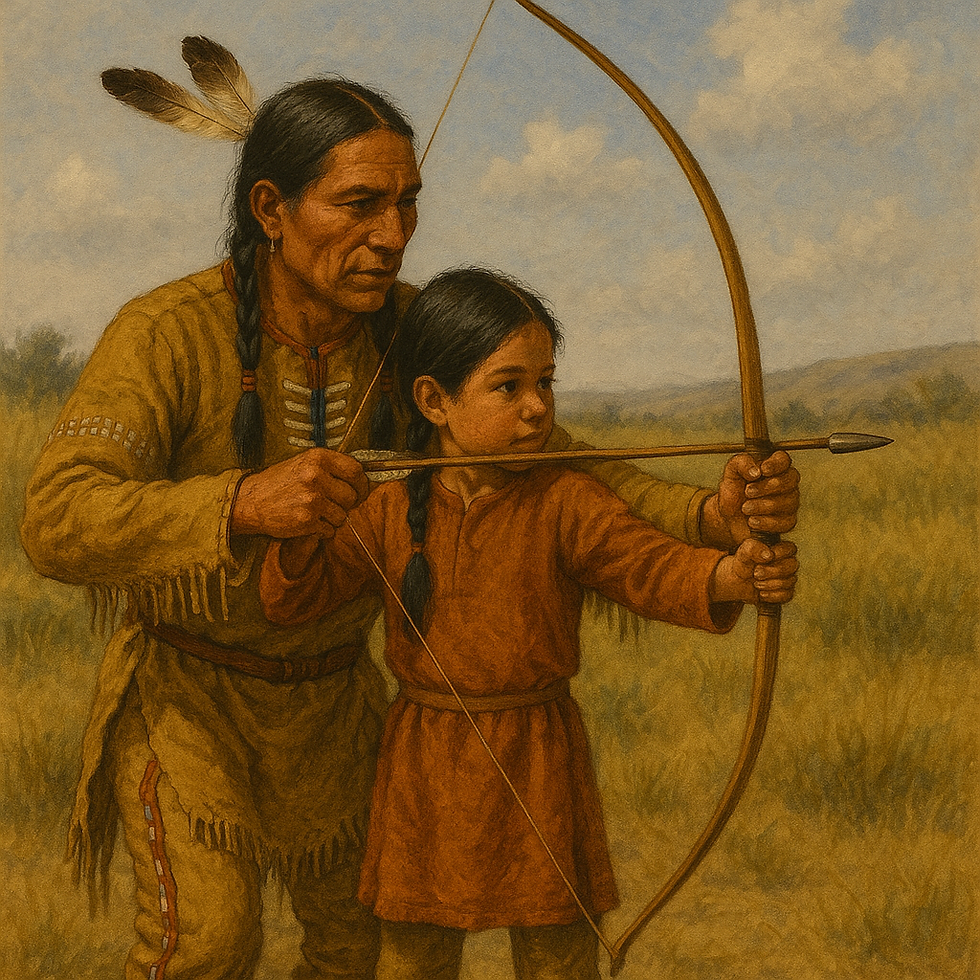
Education is key. Whether through formal programs or informal family lessons, passing on language, stories, and skills empowers the next generation to carry our traditions forward.
Protect Our Land and Sacred Sites
Our connection to the land is sacred. Advocating for the protection of natural and cultural sites ensures that these places remain intact for future ceremonies and teachings.
Use Technology Thoughtfully
Digital tools can help document and share our traditions widely. Creating online archives, videos, and social media content can reach younger audiences and those far from home.
By embracing these actions, we not only honor our ancestors but also build a resilient future where our culture continues to flourish.
The Power of Cultural Preservation in Building Sovereignty
Our cultural traditions are deeply tied to our sovereignty and self-determination. When we protect and nurture our heritage, we affirm our right to govern ourselves and live according to our values. This is essential for rebuilding Indigenous life in a way that is self-sufficient and sustainable.
Through cultural preservation, we reclaim our narratives and assert our presence in the world. It strengthens our communities economically, spiritually, and socially. For example, traditional knowledge about the land can guide sustainable practices that support both the environment and our livelihoods.
Moreover, cultural preservation fosters pride and confidence among our youth. When they see their heritage celebrated and respected, they are more likely to engage in leadership and community-building efforts.
Together, by embracing cultural preservation, we create a foundation for thriving communities that honor the past while looking boldly toward the future.
Embracing Our Heritage for Tomorrow
As we look ahead, the importance of safeguarding cultural traditions becomes ever clearer. It is a shared journey that calls for patience, respect, and dedication. Each story told, each song sung, and each ceremony held is a thread in the fabric of our identity.
Let us continue to nurture these traditions with care and intention. By doing so, we ensure that the spirit of our ancestors lives on, guiding us and inspiring those who come after. Our heritage is a gift - one that we protect not only for ourselves but for the generations yet to come.
In this way, we honor the past, enrich the present, and build a future where our communities thrive in all their cultural, economic, and spiritual richness.
Comments